Web design in 2025 is the ideal combination of creativity, functionality, and technology. With consumers demanding speed, interactivity, and accessibility on the web, businesses and designers need more than simple drag-and-drop editors. Web design tools have now integrated AI, responsive frameworks, solid prototyping, and e-commerce capabilities to live up to global benchmarks. If you are looking for being at the forefront as a designer, entrepreneur, or developer, you require the perfect tool. In this article, we will outline the 10 best web design tools in 2025, why they are so popular, and how they will be capable of assisting you in creating modern, responsive, and future-proof websites.
1. Figma – The Ultimate Collaborative Design Platform
Figma is the 2025 UI/UX design trendsetter. Figma stands out on the strength of real-time collaboration where many designers, developers, and stakeholders converge at a single point. Its easy plugin integration with AI-inspired design hints make it a goldmine for big organizations as well as startups. • Remote teams and agencies are a perfect match • Cloud-based without installation nightmares • Prototyping and wireframing with powerful tools • Windows, Mac, and browser compatible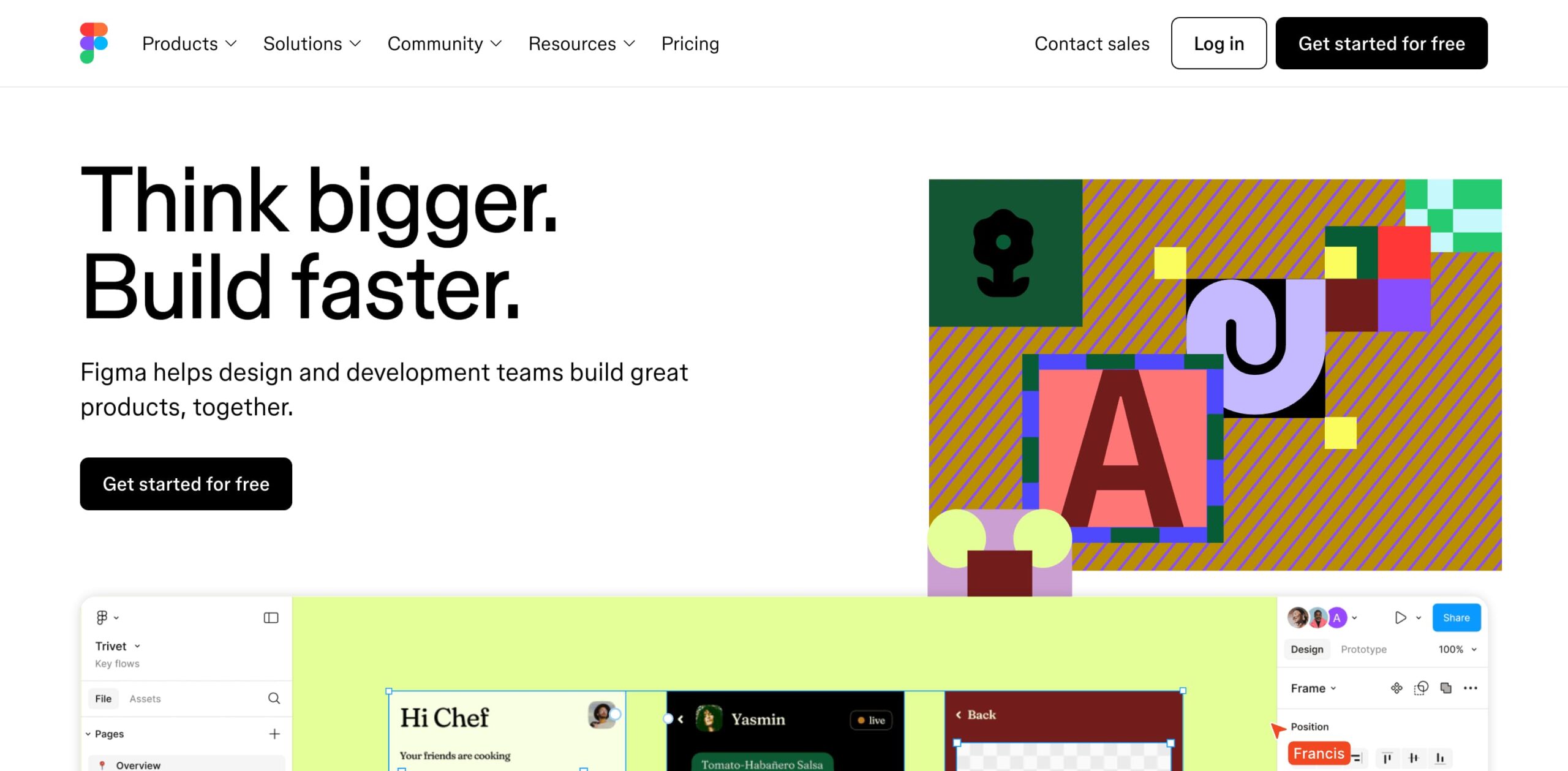
2. Webflow – Professional Website Builder with No-Code
Webflow is no-code development’s future that enables designers to design beautiful, fully responsive websites without a single line of code. Webflow has been a number one choice for freelancers, agencies, and e-commerce businesses since 2025 due to its CMS, SEO functionality, and hosting integration. • Drag-and-drop design freedom • Customizable animations and interactions • Clean code SEO-optimized output • Intrinsic e-commerce functionality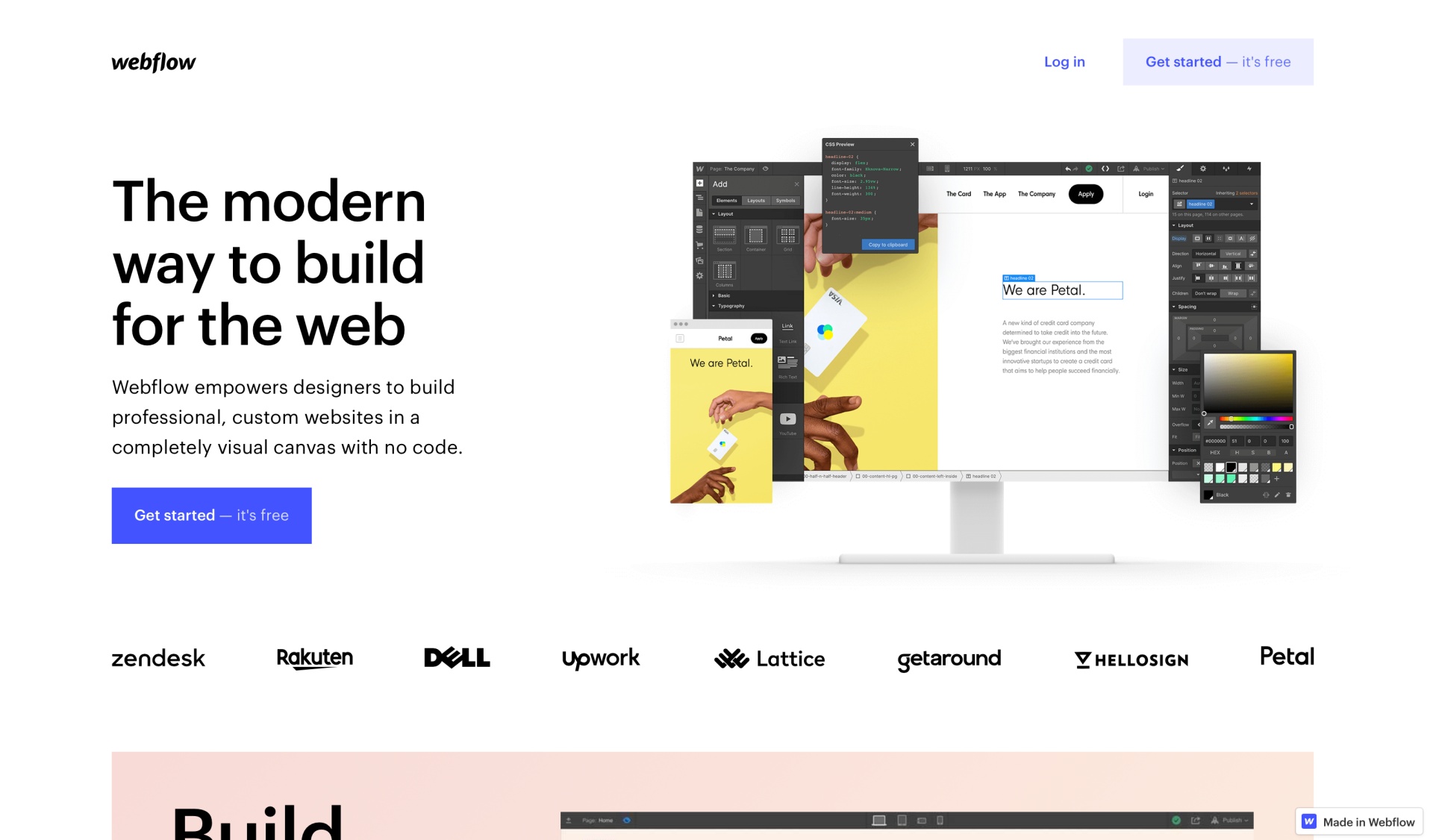
3. Canva Website Builder – Ease of Use and Accessibility
Canva developed from being a graphic design fad to a great starting-point and small business website builder. Its template approach ensures that anyone can create a business-oriented website in just minutes. • Free and premium templates in hundreds • Websites that work on smartphones • Drag-and-drop • Resume, portfolios, and small business websites are perfect for it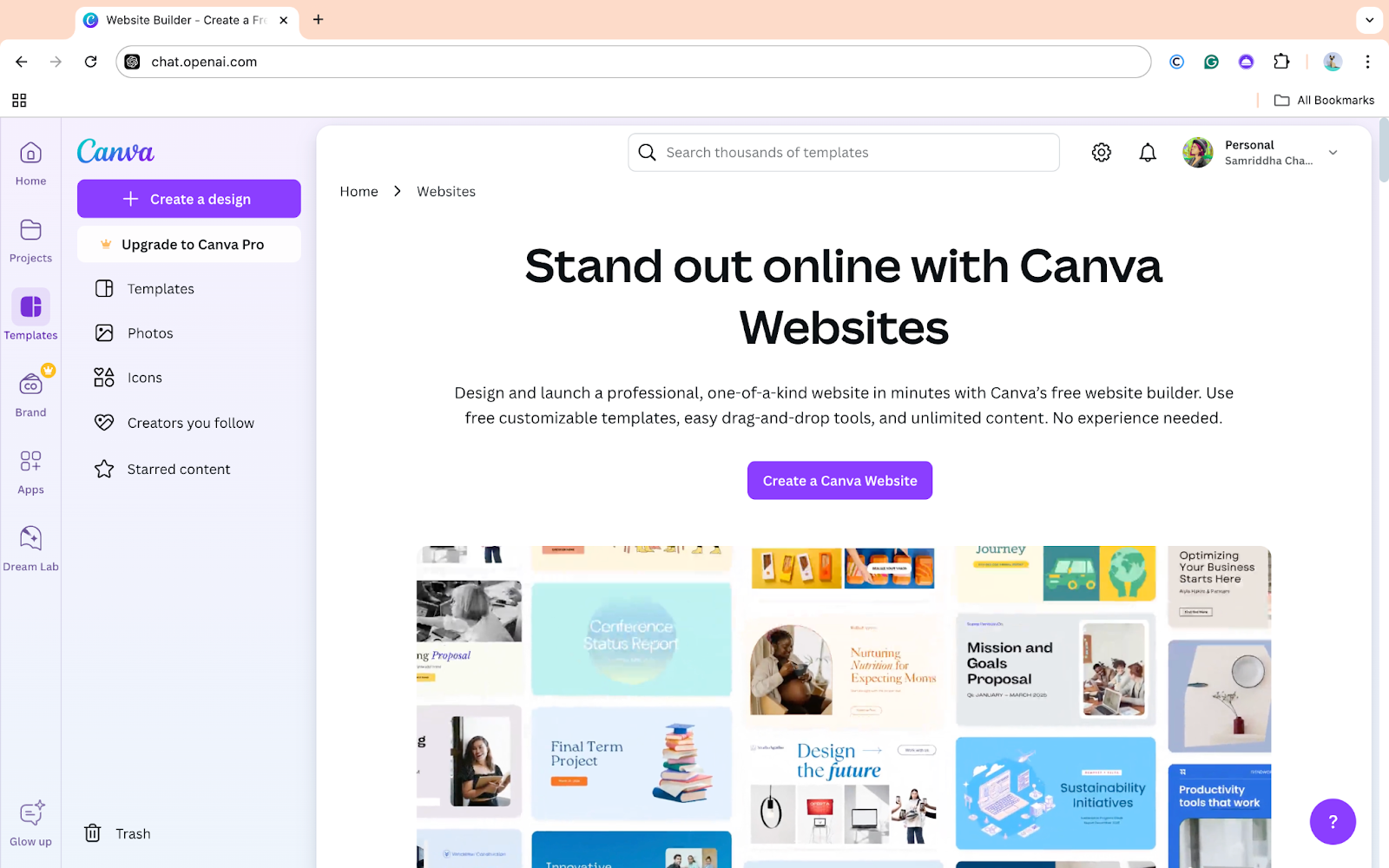
4. WordPress + Elementor – Most Versatile Combination
WordPress is still the leading CMS of the world with almost 40% of all websites hosting their content on it. With Elementor, an amazing drag-and-drop page builder, it grants users enormous freedom to create blogs, business sites, or even whole e-commerce sites. • Thousands of existing themes and plugins to draw upon • Complete flexibility of design adjustment • Great tutorial and community support • Golden sweet spot between design freedom and functionality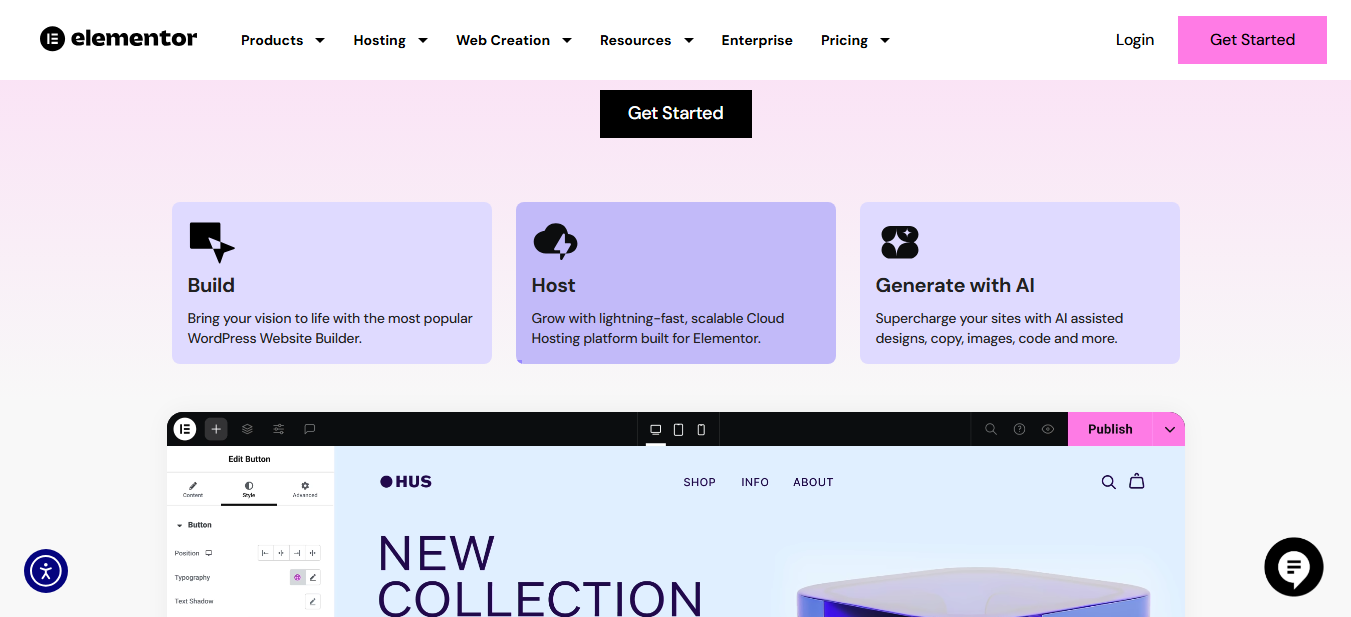
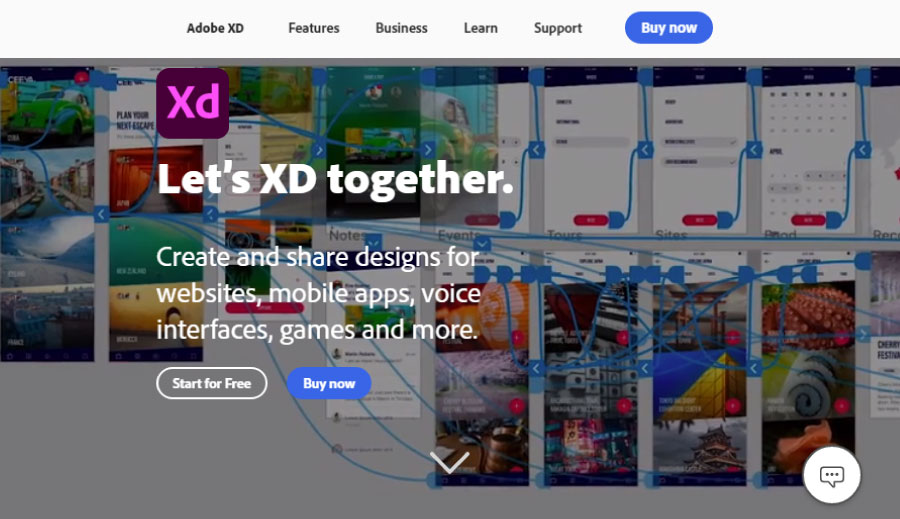
5. Adobe XD – The Professional Standard for Prototyping Industry
For users of mockup, wireframe, and prototype, Adobe XD is still an option in 2025. End-to-end integration with the Adobe Creative Cloud tools means that it’s still in the pipeline of most professionals. • Seamless wireframing capabilities • Seamless prototyping with interaction features • Great for app and web product creation • Design collaboration functionality